The External & internal Pipe coating equipment is a state-of-the-art solution for applying various types of protective coatings to pipes, which protect from corrosion, mechanical damage, and environmental degradation
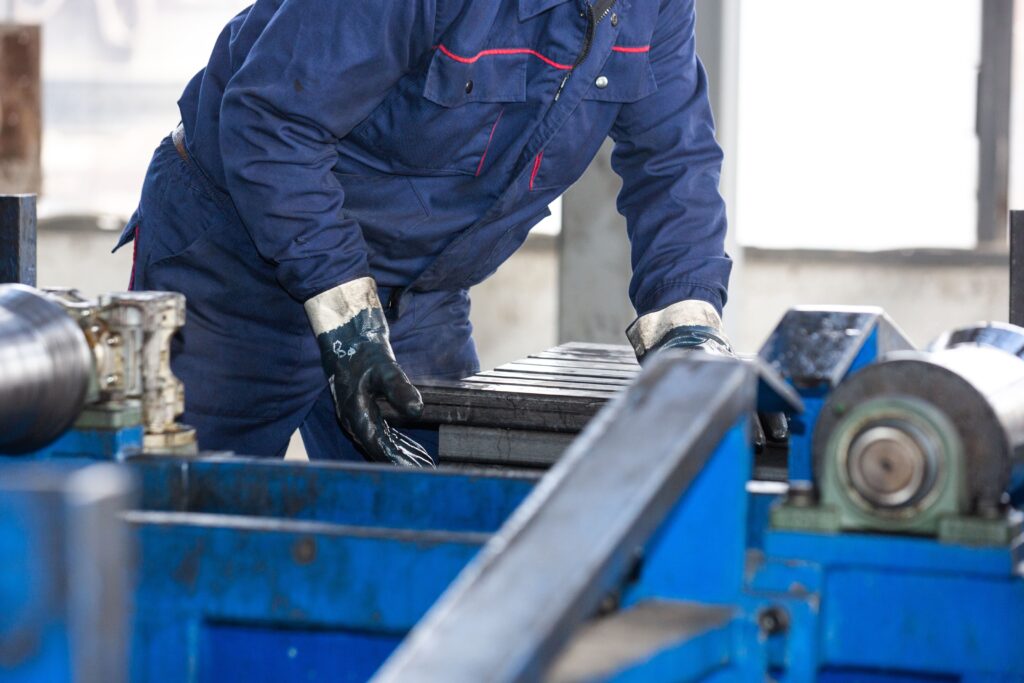
1. Corrosion Protection
- Pipes, especially steel ones, are prone to corrosion when exposed to moisture, soil, and oxygen.
- External coatings act as a barrier between the pipe surface and corrosive agents in the environment, significantly extending the pipe’s service life.
2. Mechanical Protection
- During transportation, handling, and installation (like trenching), pipes can get scratched, dented, or otherwise damaged.
- Coatings help reduce abrasion and impact damage, especially in rocky or harsh terrain.
3. Environmental Resistance
- Soils can contain chemicals, salts, or microbes that accelerate deterioration.
- Coatings are often resistant to chemicals and biological attacks, preventing long-term damage.
4. Improved Flow Efficiency (for some coatings)
- Some coatings, like fusion-bonded epoxy (FBE), reduce surface roughness, which can help improve hydraulic efficiency by reducing friction.
5. Regulatory Compliance
- Many industries and countries mandate protective coatings for pipelines, especially for those transporting oil, gas, or hazardous chemicals.
6. Cost Efficiency
- Preventing corrosion and damage up front is far cheaper than repairing or replacing pipelines later.